
Professional Indemnity Insurance for Bookkeepers: What It Covers and Why Your Engagement Letter Matters
Professional indemnity insurance for bookkeepers provides financial protection when a client claims that your professional services caused financial loss. It can help with legal fees, defence costs and compensation, but it does not remove the need for careful work, clear records and a well-prepared engagement letter. Bookkeepers often manage payroll, reconciliations, financial records and Business Activity Statement (BAS) information for small businesses. Registered BAS agents must maintain professional indemnity insurance that meets Tax Practitioners Board requirements, while other bookkeepers should assess the right cover for their professional services and business activities.
Understanding Professional Indemnity
What is professional indemnity? It is a form of liability insurance designed to respond when a client alleges that a professional service, professional advice or failure to act caused them financial loss. Professional indemnity cover may apply when a client claims that a bookkeeper acted negligently, failed to use due care, provided misleading advice or did not complete agreed services. The insurer will assess the claim against the professional indemnity policy, including the policy exclusions, coverage limits and other conditions.
The Protection Offered by PI Insurance
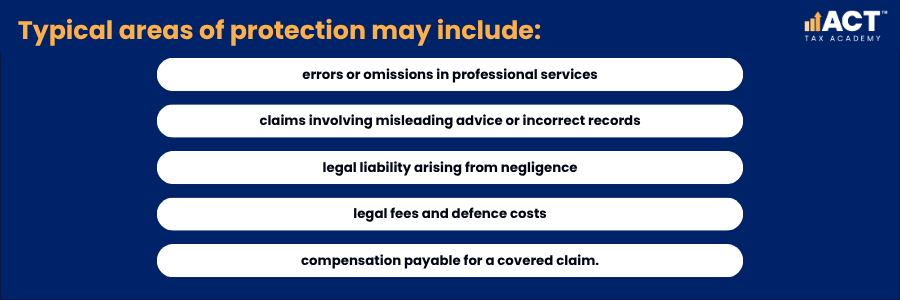
Professional indemnity insurance cover may provide cover for legal costs, defence costs and compensation connected with an insured claim. This can give a bookkeeping business financial protection when a client starts legal action or demands payment for an alleged breach of professional responsibility. For example, a bookkeeper may process incorrect figures that affect a client’s BAS or payroll records. If the client claims that the error caused additional costs or financial loss, PI insurance may help manage the professional indemnity claim, subject to the policy terms.
The cost of insurance depends on factors such as the services you provide, the size of the business, annual revenue, previous claims and the level of insurance cover selected. Insurance brokers can help businesses compare policies and understand which options may suit their business activities.
The Difference Between Professional Indemnity and Public Liability
Professional indemnity and public liability insurance protect against different types of risk. Professional indemnity generally focuses on financial loss linked to professional advice or services, while public liability focuses on personal injury, bodily injury or property damage connected with business activities. A public liability claim may arise if a customer slips at your business premises or if an employee damages property while visiting a client. A professional indemnity claim, by comparison, may arise because the advice provided or service delivered allegedly caused financial loss.
A bookkeeper who meets clients in an office, works from shared premises or visits customers may consider both forms of liability insurance. Public liability and professional indemnity work in the same way only in the broad sense that they provide protection against certain claims; the risks covered are different.
Important Policy Terms to Understand
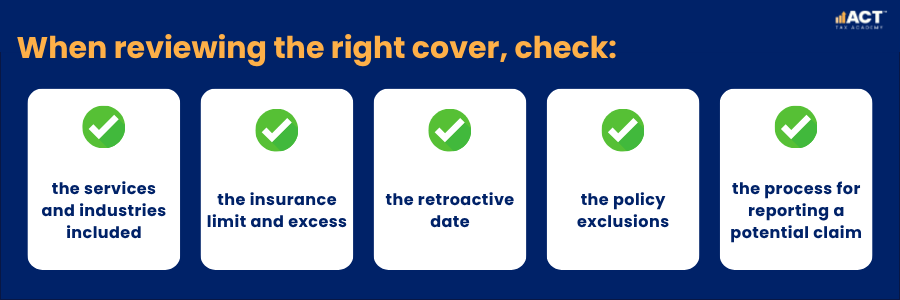
A professional indemnity policy contains conditions that affect when the insurer will provide cover. Two important terms are the retroactive date and retroactive cover. The retroactive date is the date from which earlier professional services may be considered under the policy. Retroactive cover can be important where a claim relates to advice provided or work completed before the current insurance period, provided the circumstances meet the policy conditions.
Policy exclusions also matter because they identify situations the insurer may not cover. Exclusions may apply to dishonest conduct, intentional breaches, known circumstances, work outside the declared professional services or claims that were not reported correctly.
Bookkeepers should not assume that every service is automatically covered. Payroll, software setup, consulting work and other professional services may need to be clearly disclosed to the insurer.
Engagement Letters Reduce Unclear Expectations
A written engagement agreement sets out the professional service you have agreed to provide and the responsibilities that remain with the client. It may take the form of an engagement letter, accepted email or other written communication, and supports risk management by making the scope, fees, timing and limits clear from the beginning. Without a clear engagement letter, clients may expect work that was never discussed or included. This can increase the risk of complaints, unpaid fees and claims about incomplete services.
A useful engagement letter should explain the work you will perform, the information the client must provide, the fees they must pay and any services that are excluded. It should also clarify who reviews or approves reports, payroll data, BAS information and other records, without attempting to transfer the bookkeeper’s legal or professional obligations to the client. For example, a registered BAS agent’s engagement letter may state that the agent will reconcile bank accounts and prepare BAS working papers, while the client must supply complete records and confirm that the source information is accurate. The letter should also state whether the agent is authorised to prepare, lodge or revise the BAS.

Insurance and Engagement Terms Work Together
Professional indemnity insurance and an engagement letter provide different forms of protection. Insurance may respond to a covered claim, while the engagement letter helps show what services were agreed and what the client was responsible for providing. The engagement letter can be especially useful when a client claims that a task was missed. Clear terms, emails and working records may help demonstrate whether the service formed part of the agreed engagement, and the terms should be reviewed when the services, client circumstances or responsibilities materially change.
However, an engagement letter cannot remove legal liability or guarantee that an insurer will accept a claim. Bookkeepers must still use due care, maintain accurate records and provide advice only within the professional services they are competent and legally permitted to provide. A person providing BAS services for a fee or other reward must be registered or otherwise authorised by law.
Stronger Risk Management for Bookkeeping Businesses
Good risk management combines insurance, clear agreements and reliable work practices. Bookkeepers should document client instructions, keep written approvals, review unusual transactions and record any advice provided. You should also contact your insurer promptly when a complaint, error or potential claim arises. Delayed reporting or admitting liability without guidance may affect the insurer’s ability to manage the matter. Regularly review your professional indemnity cover as your business changes. New employees, higher revenue, additional services or work with larger clients may change the level of risk and the amount of coverage you require.

Build Practical Bookkeeping Skills
Strong bookkeeping systems can reduce errors, improve communication and help you deliver consistent services to clients. Practical training also helps you understand where your responsibility ends and when a client may need advice from an accountant, lawyer, insurance broker or other qualified professional. If you are ready to move from theory to practical application, the ACT Tax Academy Bookkeeping Online Course provides structured online training designed specifically for Australian small business owners and aspiring bookkeepers. You will learn how to set up and manage GST, prepare BAS, use Xero effectively, and implement compliant bookkeeping systems with confidence.