Missed a BAS Deadline? How ATO Payment Plans Can Help (And How to Track Them)
Missing a Business Activity Statement (BAS) deadline can feel overwhelming, but ATO payment plans offer a practical solution to help manage your tax obligations while getting back on track. If you’re struggling with cash flow or unexpected financial challenges, understanding your options can provide much-needed relief and avoid penalties.
Understanding What Happens When You Miss Your BAS Deadline
Missing your Business Activity Statement deadline triggers several consequences that can significantly impact your business financial position. The Australian Taxation Office has implemented stricter compliance measures, making it crucial to understand the immediate effects on your business operations.
How Interest Charges Apply to Outstanding Tax Debt
When you miss your BAS payment date, General Interest Charge immediately begins accumulating on your outstanding tax debt from the original due date. This interest compounds daily at an annual rate of 10.78%, creating additional financial pressure on your business. Starting from 1 July 2025, this interest is no longer tax deductible, effectively increasing the real cost to your business.
The interest applies to your entire debt amount, including any Goods and Services Tax (GST), Pay As You Go (PAYG) withholding, and other tax components in your Activity Statement. This means your debt grows continuously until you arrange payment or set up a payment plan with the ATO.
Failure to Lodge Penalties and Their Impact
The ATO imposes Failure to Lodge penalties based on your business annual turnover and entity size. Small businesses face one penalty unit (currently $313) for every 28-day period your Activity Statement lodgment remains outstanding, capped at five penalty units totalling $1,565. These penalties apply whether you owe money or expect tax credits from your return.
For sole traders and businesses with good payment history, penalty relief options may be available. However, previous defaults or poor lodgment history can affect your eligibility for such relief. The key is addressing the situation promptly rather than ignoring outstanding activity statement lodgments.
How Missing Deadlines Affects Future ATO Interactions
Your lodgment history significantly influences how the ATO assesses future requests for payment arrangements or extensions. Businesses with recent amounts owed or multiple missed deadlines may face stricter conditions when applying for payment plans. This includes requirements for larger upfront payments, shorter payment terms, or additional security over business assets.
How ATO Payment Plans Work for Your Business
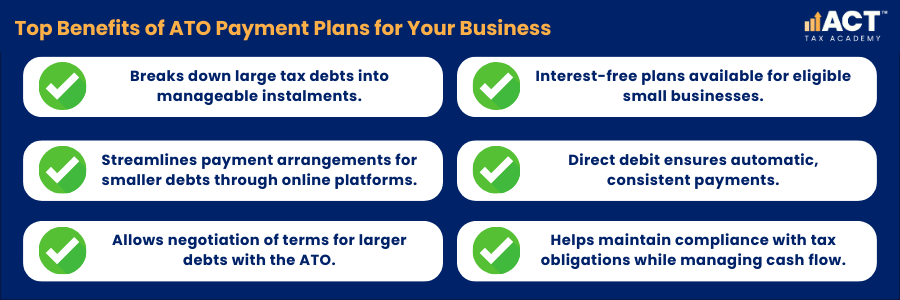
ATO payment plans provide structured approaches to managing tax debt by breaking large amounts into manageable instalments. These arrangements help maintain your business operations while addressing outstanding obligations through affordable payment schedules.
Types of Payment Arrangements Available
The ATO offers several payment plan options depending on your debt amount, annual turnover, and personal circumstances. For smaller debts under $200,000, you can often arrange payment plans online through ATO Online Services or myGov for sole traders. These arrangements typically require a 10% upfront payment and allow you to select payment frequency that suits your cash flow.
Larger debts exceeding $200,000 require direct contact with the ATO to negotiate payment terms. These arrangements involve more detailed assessment of your financial situation, including three years of financial statements and cash flow forecasts. The ATO may request security over business or personal assets for substantial debt amounts.
Interest Free Payment Plans for Small Businesses
Small businesses with annual turnover under $2 million may qualify for interest free payment plans under specific conditions. To be eligible, your business must have recent BAS amounts of $50,000 or less that are overdue for up to 12 months, maintain good payment and lodgment history, and demonstrate inability to obtain finance through normal business channels such as equipment finance or traditional business loans.
These arrangements must be paid within 12 months via direct debit payments, and you must continue meeting all other payment and lodgement obligations. The ATO requires evidence that you’ve examined other financing options before approving interest free arrangements.
Payment Method Options and Requirements
Most payment plans require direct debit arrangements from your nominated business account. This ensures consistent payments and reduces administrative burden for both you and the ATO. When setting up your plan, you’ll need to provide your Australian Business Number (ABN), Tax File Number (TFN), and banking details for the selected account.
Alternative payment methods may be available for specific circumstances, but direct debit remains the preferred option for most businesses. This payment method also provides automatic receipts and transaction records for your business accounting systems.
Setting Up Your Payment Plan Online
The online payment plan process simplifies applications for eligible businesses, providing immediate confirmation and clear instalment schedules. Understanding the setup process helps ensure your application is submitted successfully and approved quickly.
Using ATO Online Services for Business
Access ATO Online Services through your business portal to initiate the payment plan application. Navigate to the Accounts and Payments section where you’ll find your outstanding tax debt displayed with options to set up a payment arrangement. The system guides you through selecting your payment frequency – whether weekly, fortnightly or monthly instalments work best for your cash flow.
The online system calculates your minimum payment amount based on the total debt and selected timeframe. You can adjust payment amounts above the minimum to reduce the overall payment period, but cannot reduce payments below the calculated minimum amount.

Required Information for Your Application
Before starting your online application, ensure all outstanding Activity Statements are lodged, even if you cannot pay the full amounts immediately. You’ll need your ABN, details of your outstanding debts, and bank account information for direct debit arrangements.
The system requires you to confirm your current financial position and ability to maintain the proposed payment schedule while meeting ongoing tax obligations. For businesses with complex financial situations, consider seeking professional advice from your tax agent or accountant before submitting your application.
Making Your First Payment and Getting Started
Most payment arrangements require an immediate upfront payment, typically 10% of the total debt amount. This demonstrates good faith and reduces the remaining balance to be paid in instalments. Ensure you have sufficient funds available in your selected account when submitting your application.
Once your payment plan is approved, you’ll receive a receipt number and confirmation of your instalment schedule. The system provides detailed information about your instalment date, payment amounts, and remaining balance for each scheduled payment.
Tracking Your Payment Plan Progress
Effective monitoring of your payment plan ensures you stay compliant and avoid defaulting on your arrangement. The ATO provides several tools to help track your progress and manage your ongoing obligations.
Monitoring Through ATO Online Services
Your ATO Online Services account provides real-time access to your payment plan status, upcoming payment dates, and remaining balance. The Accounts and Payments section displays all active payment arrangements with detailed transaction histories showing processed payments and any issues with direct debit payments.
Regular monitoring helps identify potential problems early, such as insufficient funds or changed bank account details that might cause payment failures. You can view your complete payment history and download statements for your business records.
Using Mobile Access for myGov Users
The ATO mobile app offers convenient access to your payment plan information wherever you are. myGov users can check balances, payment dates, and receive notifications about upcoming instalments without needing computer access.
Mobile notifications can alert you to upcoming payments, successful transactions, or any issues requiring attention. This helps prevent missed payments that could jeopardise your payment arrangement.
Setting Up Payment Reminders and Alerts
Create calendar reminders for payment dates and consider setting up additional alerts a few days before each instalment date. This provides time to ensure sufficient funds are available and address any potential issues before they affect your payment plan.
Many business accounting systems also offer integration with ATO payment schedules, helping you plan cash flow around both your payment plan commitments and other business expenses.
Modifying Your Payment Arrangement When Needed
If your financial circumstances change, you may be able to modify certain aspects of your payment plan through the online portal. You can often adjust payment dates, amounts, or frequency within system limits, though you cannot increase the total debt amount covered by the existing plan.
For significant changes or if online modifications aren’t suitable, contact the ATO directly using their self-help phone line or business enquiry services. Early communication often leads to better outcomes than waiting until you experience payment difficulties.
Preventing Future BAS Issues and Building Better Systems
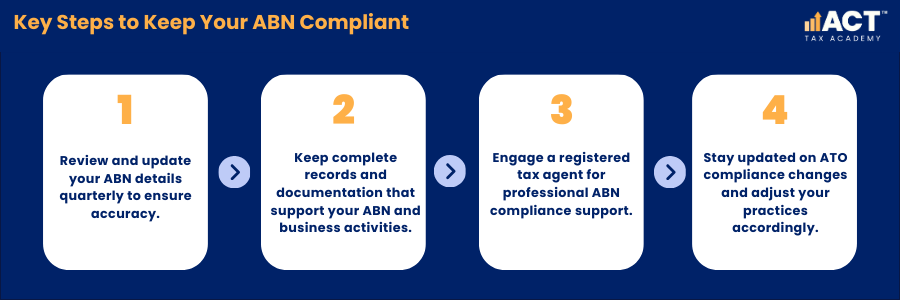
Learning from missed deadlines helps establish robust systems that prevent future compliance problems and reduce reliance on payment plans. Implementing effective processes benefits both cash flow management and your relationship with the ATO.
Cash Flow Planning for Tax Obligations
Develop cash flow forecasts that specifically account for BAS obligations alongside other business expenses. Set aside GST collected in separate accounts throughout each reporting period, ensuring funds remain available for payment dates rather than being absorbed into general business operations.
Regular review of your tax obligations helps identify potential shortfalls before they become critical. This forward planning allows time to arrange funding or negotiate with the ATO proactively rather than reactively.
Establishing Automated BAS Management
Consider using accounting software that provides automated BAS preparation and payment reminders. Many modern systems integrate with ATO online services, simplifying the entire compliance process from record keeping through to lodgement and payment.
Automated systems reduce the risk of missed deadlines and calculation errors that can create additional compliance burdens. They also provide better record keeping for audit purposes and financial planning.
Building Strong Professional Relationships
Establish relationships with qualified BAS Agents or accountants who understand your business operations and can provide ongoing support. These professionals often identify potential issues before they become serious problems and can provide valuable guidance on tax planning strategies.
By utilising online services for payment plan setup and tracking, maintaining open communication with the ATO, and seeking professional advice when needed, you can transform a stressful situation into a manageable path forward.