5 Years and Counting: What Australian Small Business Tax Records Must Be Kept and Why
5 Years and Counting: What Australian Small Business Tax Records Must Be Kept and Why is a question almost every business owner asks once the filing rush is over and the paperwork starts piling up. Most Australian small businesses must keep key tax records and business records for at least five years from the end of the income year, and often longer for certain assets and employment obligations. Getting this right protects you under Australian Taxation Office record keeping rules and helps you stay in control of your tax affairs at tax time.
What Does The 5‑Year Record Keeping Rule Actually Require?
Most small businesses must keep core financial records and tax records for at least five years from the date you prepare or obtain the record, or when the transaction is completed, whichever is later. For tax returns, this generally means five years from the date you lodge the return. This means you need to keep records across the entire period where they support your income tax, GST, and superannuation obligations.
These record keeping requirements apply whether you are a sole trader, company, trust, or partnership. If you have employees, you must also keep superannuation contribution records for five years, including evidence that you met your super guarantee obligations. The same records must clearly show your business type, how you earned income, what you spent, and how you calculated any tax loss or other claim. The aim is simple: there must be sufficient evidence for someone else to follow the story behind the numbers in your tax return.
Why Must Australian Small Business Tax Records Be Kept For At Least 5 Years?
The five‑year period matches how long the Australian Taxation Office can usually look back and amend your income tax position. If your records are incomplete or missing, the ATO may estimate your tax and you could end up paying more tax than you should. Good records give you written evidence to support your claims and help avoid disputes.
Keeping good records also makes business sense. When your financial records clearly show your business income, costs, tax deduction claims, and cash flow, you can see which customers, products, or services are driving results. You can use that insight to plan for growth, manage staff, and decide when to invest in new equipment or an investment property.
What Tax and Business Records Must Small Businesses Keep For 5 Years?
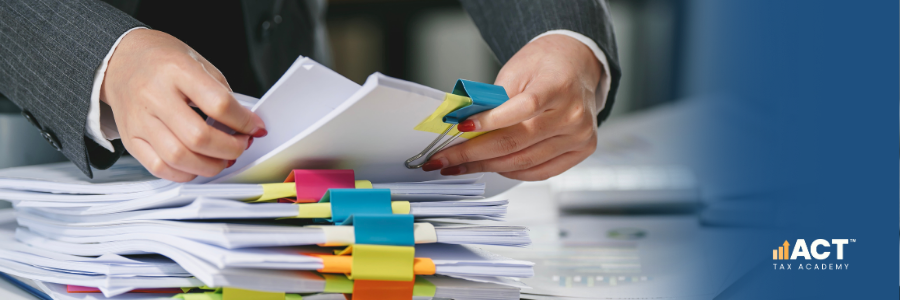
Small businesses must keep all records that relate to earning income and claiming deductions, including bank, sales, purchases, wages, and asset information. These records must show the goods or services date or services date, the amount, who you paid or received money from, and what it was for. They also need to show whether payments were made by card, transfer, or pay cash.
You should keep at least the following types of records:
- Business income: sales invoices, cash register summaries, online sales reports, contract schedules, rental income statements, dividend and managed funds statements.
- Business expenses: invoices for stock, subscriptions, fuel, insurance, rent, repairs, and donations costs.
- Work related expenses: car trips logbooks, home‑office claims, and other records supporting certain expenses.
- Purchase records for capital assets and depreciating assets, including the date of purchase, cost, and any final claim or last claim.
- Other records such as loan agreements, investment property statements, and documents for capital assets like property or shares.
When Do Tax Records Need to Be Kept for Longer Than 5 Years?
Some records need to be kept for more than five years, especially where they relate to capital assets, Capital Gains Tax assets, and carried‑forward tax losses. For Capital Gains Tax assets, you must keep records for at least five years after you dispose of the asset, and the capital gain or loss is fully resolved in your tax return. This covers documents that show how you worked out any capital gain or capital loss.
You also need to hold records longer where you claim a decline in value on depreciating assets or where a tax loss is used across several years. In these cases, you count years from the date of the final claim or last claim that relied on those records. This often affects assets such as investment property, managed funds, plant, vehicles, and major office equipment.
How Should Small Businesses Store Paper, Electronic, And Digital Records?
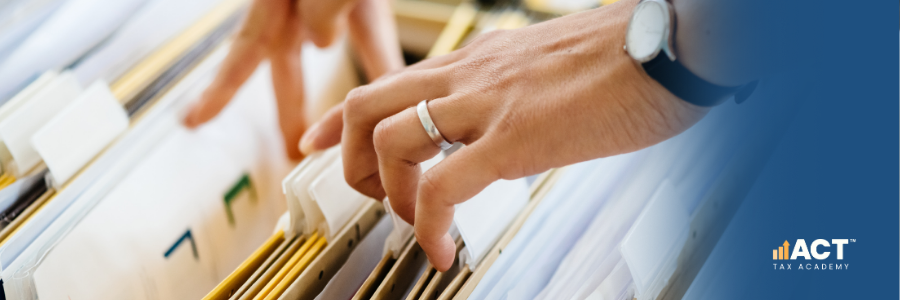
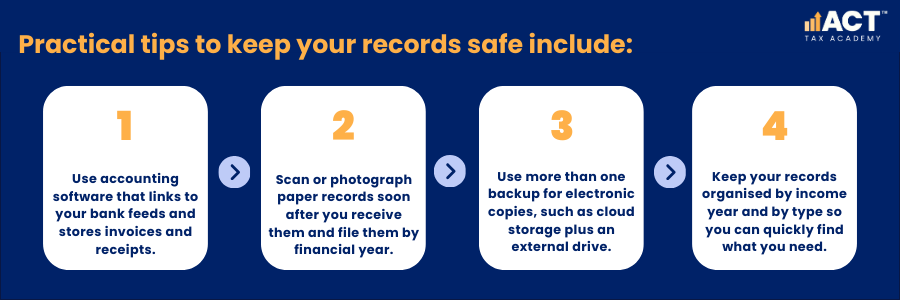
You can keep records as original paper records, electronic copies, or other digital records, as long as they are readable and can be produced if requested. Many businesses now move away from a manual system and instead use accounting software, online reporting tools, and a record keeping app to manage everything. This can make it easier to keep your records in one place and to search by date, supplier, or amount.
If you store electronic records, make sure they are backed up and protected so they are not accidentally lost or destroyed. You can scan original paper records and store them securely, as long as the image is clear and shows all the details you would need as written evidence. If records are accidentally lost, you must take reasonable steps to reconstruct them from bank statements, supplier summaries, or other sources. You should also document what was lost, what steps you took to recover the information, and keep this explanation with your tax records.
What Happens If Records Are Lost, Destroyed, Or Missing?
Sometimes records are accidentally lost, damaged, or destroyed due to events like a move, flood, or technology failure. If this happens, you are still expected to take reasonable precautions to rebuild or replace the records. This might include asking banks for replacement credit card statements, contacting suppliers for copies of invoices, or using information from other records.
Where you cannot obtain the same records, you may need to use other documents and information to show sufficient evidence for your claims. This could include bank statements, contracts, emails, calendar entries for car trips, or details from customers and suppliers. It is always better to explain what happened early and show the steps you took, rather than wait for a problem to appear at tax time.
How Can Small Businesses Make Record Keeping Easier Day‑To‑Day?
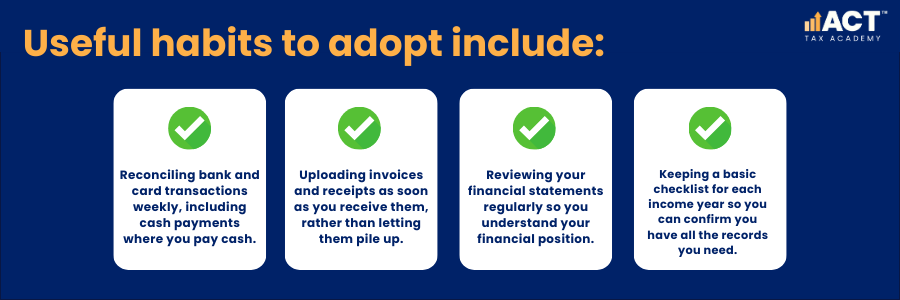
The easiest way to keep your records in shape is to build small habits into your normal week. Instead of waiting until tax time, spend a short block of time each week matching payments, filing documents, and checking that everything has been captured. This helps ensure you keep your records accurate across the entire period of the financial year.
Many small businesses find it helpful to set up a simple rhythm for tax record keeping. This might include scheduling a weekly “money hour” to check bank feeds, upload receipts, and follow up unpaid invoices. Over time, this routine makes your tax and superannuation obligations easier to manage and gives you more confidence in your numbers.
Conclusion: Turning Record Keeping Rules into a Strength for Your Business
For Australian small businesses, understanding how long to keep tax records and which records you need to keep is essential, not optional. The five‑year rule is a foundation, but Capital Gains Tax assets, depreciating assets, and carried‑forward tax loss claims often require records to be kept for longer. When your tax record keeping is clear, consistent, and supported by both paper and digital systems, you are far better placed to respond to questions and avoid surprises.
The most practical way forward is to use simple tools, such as accounting software and a record keeping app, paired with regular habits so you always have sufficient evidence for your tax return claims. If you are unsure whether to keep a document, it is usually safer to keep your records for a little longer and ask a qualified adviser for guidance. By treating record keeping as an ongoing part of running your business, you protect your position and give yourself more space to focus on growth.